

Understanding how your skin works is the foundation of healthy, balanced skin.
The Skin Barrier
The skin barrier is the outermost layer of the epidermis, known as the stratum corneum. It acts as the skin’s natural protective shield, helping to retain moisture while defending against daily environmental stressors such as pollution, UV exposure, and climate changes.
This barrier is formed by skin cells held together by naturally occurring lipids, including ceramides, cholesterol, and fatty acids, along with a precise balance of water. When these elements work in harmony, the skin remains balanced, resilient, and comfortable.
When the skin barrier is intact, skin feels supple and well-hydrated. When it is compromised, moisture escapes more easily and the skin becomes more vulnerable, reactive, and sensitive.


Hydration
MORE THAN JUST WATER
Skin hydration depends not only on water intake, but on the skin’s ability to retain moisture. A healthy, functional barrier plays a central role in this process.
When the barrier is strong, lipids help prevent excessive water loss and maintain proper skin physiology. When the barrier is impaired, water evaporates more quickly, leading to dryness, tightness, and a dull appearance.
For this reason, dermatology-based care focuses on strengthening the skin barrier rather than relying solely on water-based or superficial hydration products.

Without a healthy barrier, hydration is temporary. By reinforcing the skin’s natural defenses, moisture is preserved for longer-lasting comfort and resilience.
Transepidermal Water Loss
Transepidermal water loss refers to the passive evaporation of water through the epidermis. Elevated TEWL is a key indicator of barrier dysfunction.
When water loss increases, skin becomes more dehydrated, less elastic, and more prone to discomfort and sensitivity. Managing TEWL is essential for maintaining healthy skin function.

Dehydrated Skin
Dehydrated skin is a skin condition, not a skin type. It is caused by a lack of water in the epidermis, rather than a lack of oil. Dehydration can affect all skin types and is often temporary.

It commonly presents as tightness, dullness, fine dehydration lines, and increased sensitivity. Dehydrated skin may feel uncomfortable even when oil production appears normal or elevated.

Compromised Skin
Compromised skin refers to skin whose protective barrier has been temporarily weakened. This may result from environmental stress, cosmetic procedures, overuse of active ingredients, or harsh cleansing practices.
When the barrier is compromised, the skin becomes more prone to dehydration, irritation, and sensitivity, and may struggle to recover efficiently.

Environmental Skin Stress
External aggressors such as pollution, UV exposure, temperature fluctuations, and air conditioning can weaken the skin barrier.
These factors accelerate water loss, contribute to dehydration, and can lead to premature imbalance and increased skin sensitivity over time.

Sensitive Skin
Sensitive skin is not a medical condition. In most cases, it reflects a weakened or disrupted skin barrier.
This can manifest as tightness, redness, stinging, or discomfort after applying skincare products. Skin may also react more strongly to changes in weather, temperature, or environmental exposure.
Stress, harsh climates, and overly aggressive skincare routines or dermatological treatments can all contribute to increased sensitivity. From a dermatological perspective, sensitive skin benefits most from simplified routines, high-tolerance formulas, and consistent barrier protection.

Skin Reactivity
Reactive skin is characterized by temporary sensations such as tingling, stinging, tightness, or redness. Unlike chronic sensitivity, reactivity often appears when hydration levels are insufficient or when the skin barrier is impaired.
Restoring barrier integrity and hydration is key to reducing these transient reactions and improving overall skin comfort.
Skin Types
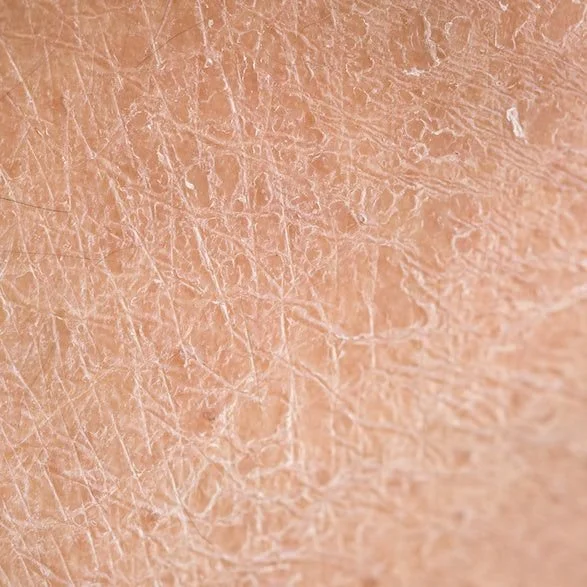
DRY SKIN
Reduced sebum, tight or rough texture, prone to flaking. Benefits from emollients and hydration.
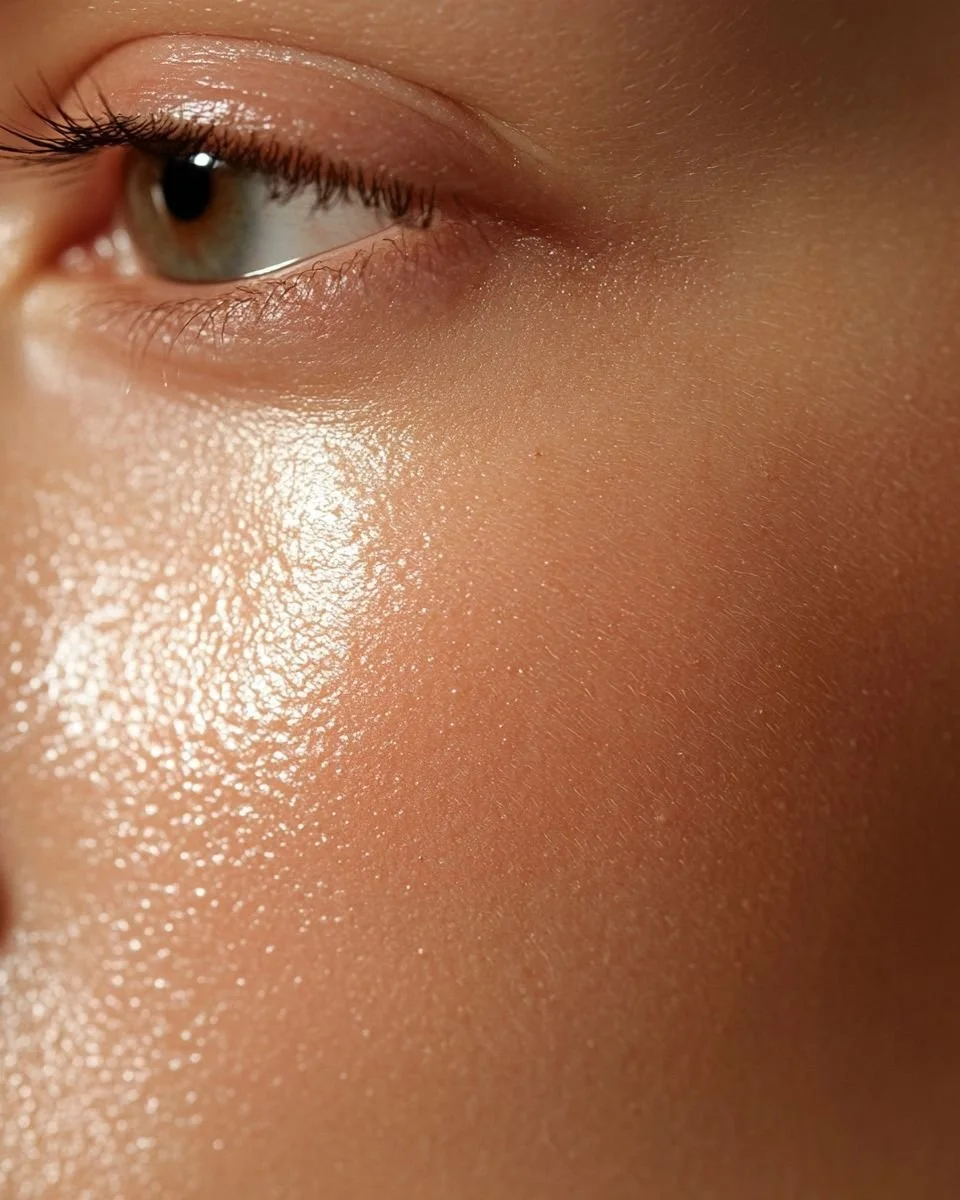
OILY SKIN
Excess sebum, shine, enlarged pores. Needs lightweight, non-comedogenic care.
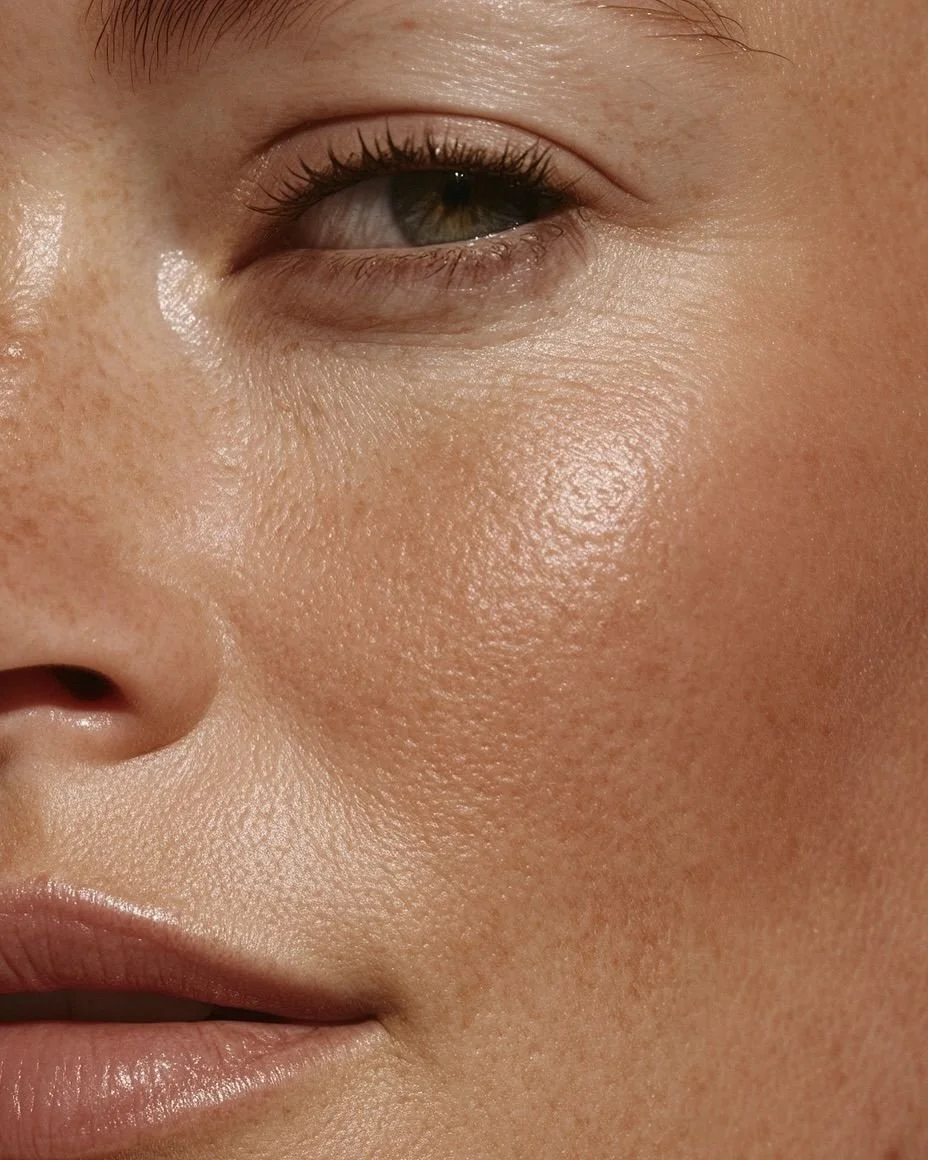
COMBINATION SKIN
Oily T-zone with dry or normal cheeks. Requires adaptable routines.
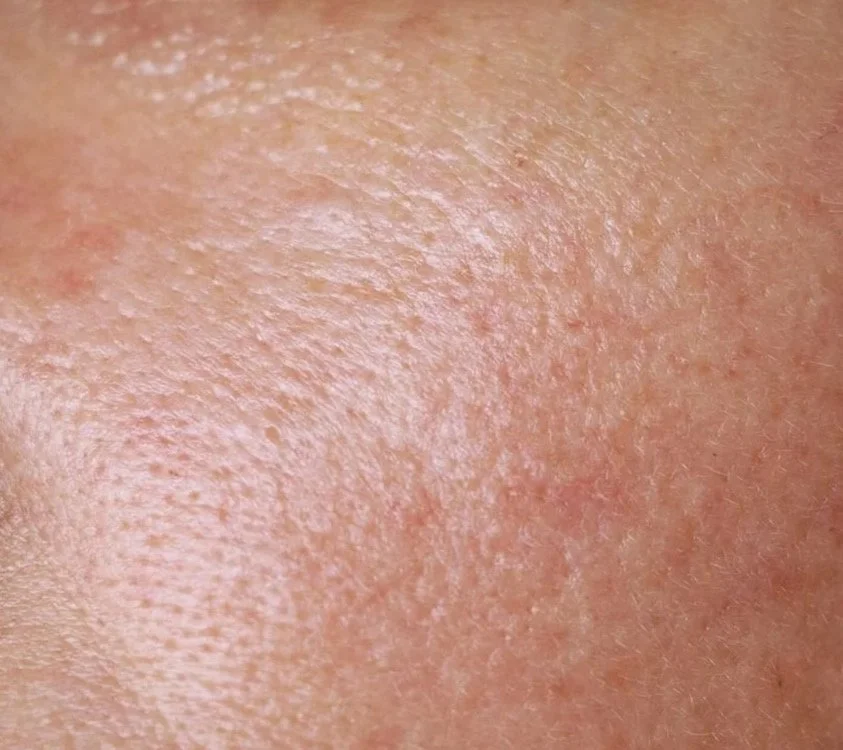
SENSITIVE SKIN
Easily reactive, prone to redness or stinging. Requires gentle, high-tolerance formulas.
ACNE-PRONE SKIN
Sebum imbalance combined with sensitivity and breakouts. Needs balanced care.
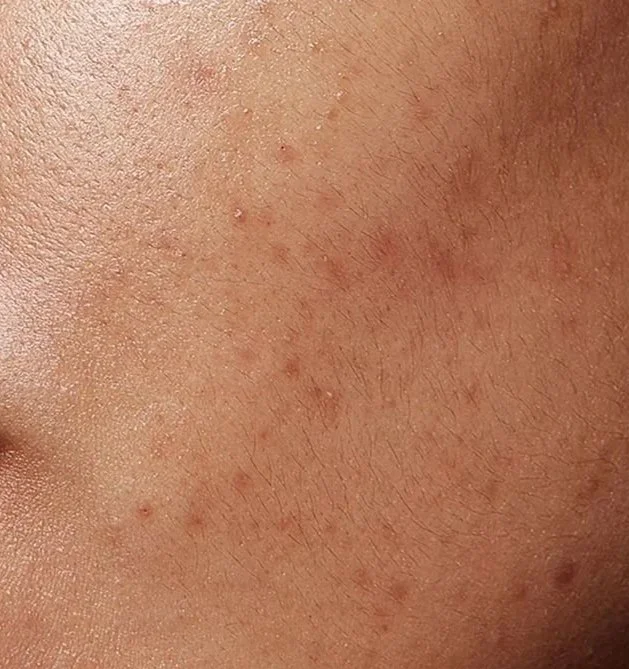
NORMAL SKIN
Balanced oil and moisture, comfortable, with few imperfections.
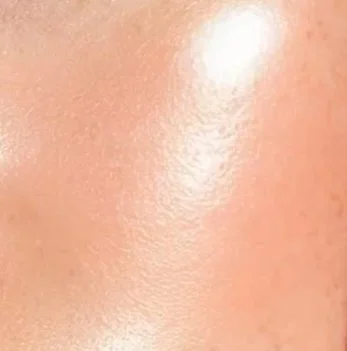

Skin Balance
Healthy skin relies on a delicate balance between water, lipids, and barrier function. When this balance is maintained, skin remains comfortable, resilient, and even in texture.
When disrupted, the skin becomes less able to protect itself, leading to discomfort, uneven texture, dehydration, and increased reactivity.

Skin Recovery
Skin recovery focuses on restoring comfort, hydration, and barrier integrity after periods of stress. Supporting the skin’s natural repair mechanisms helps improve resilience, smoothness, and overall skin function.
A consistent, barrier-supportive approach allows the skin to recover more efficiently and maintain long-term balance.